STROKE Photography @caroderaedemaeker / Styling @farahelbastani / Muah @mariaovejero.mua / Model @imm.bxl @milenadebel / studio and artwork @lucadalvignale
Brands @candice.houtart @studiocollect @odare_antwerp @lola_bols @aglshoes @diesel @theraggedpriest @liesmertens.be Daniella Wanketa @driesvannoten @tweek_eek @woche.be
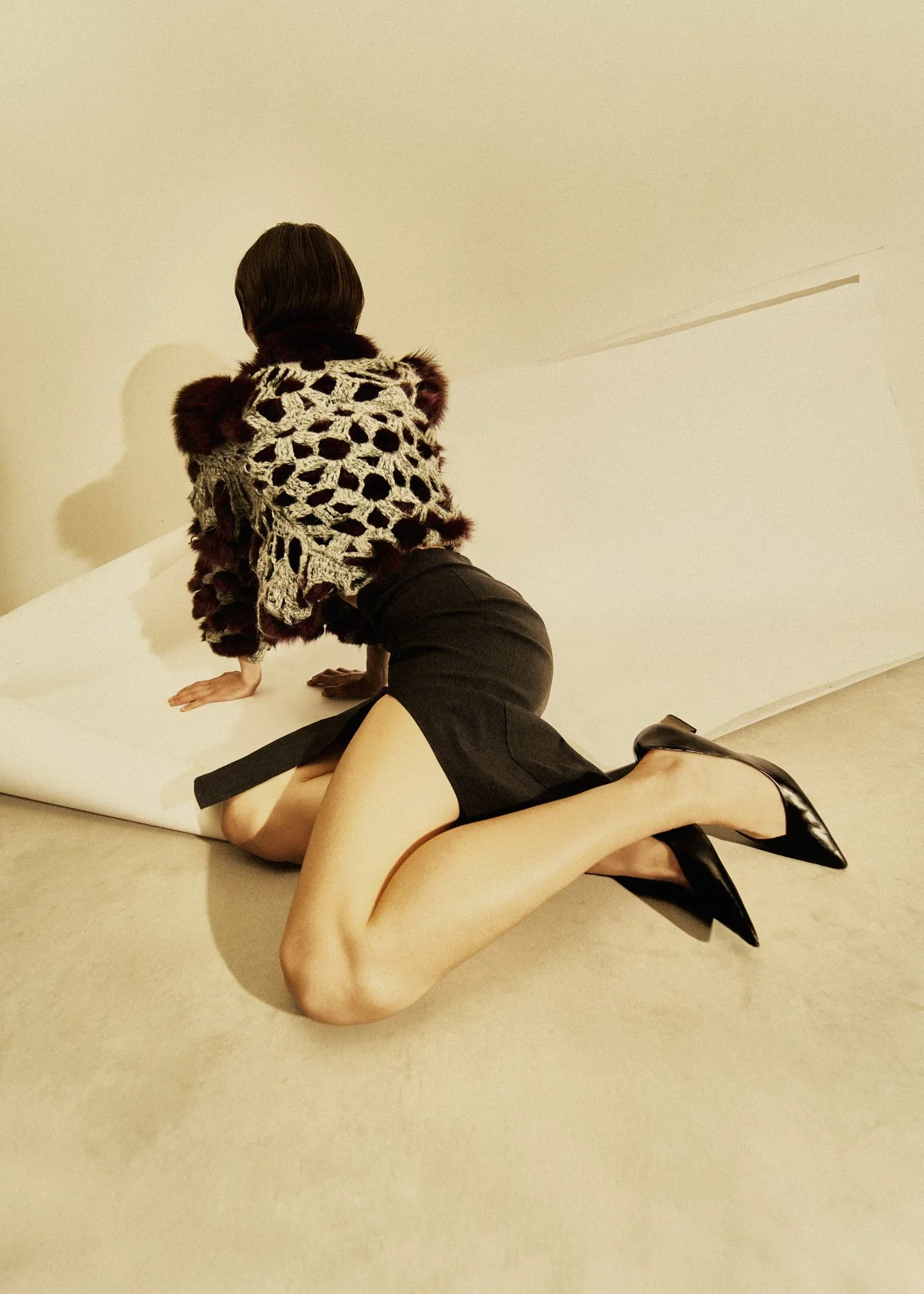
Top Skirt Shoes @candice.houtart jewelry @studiocollect
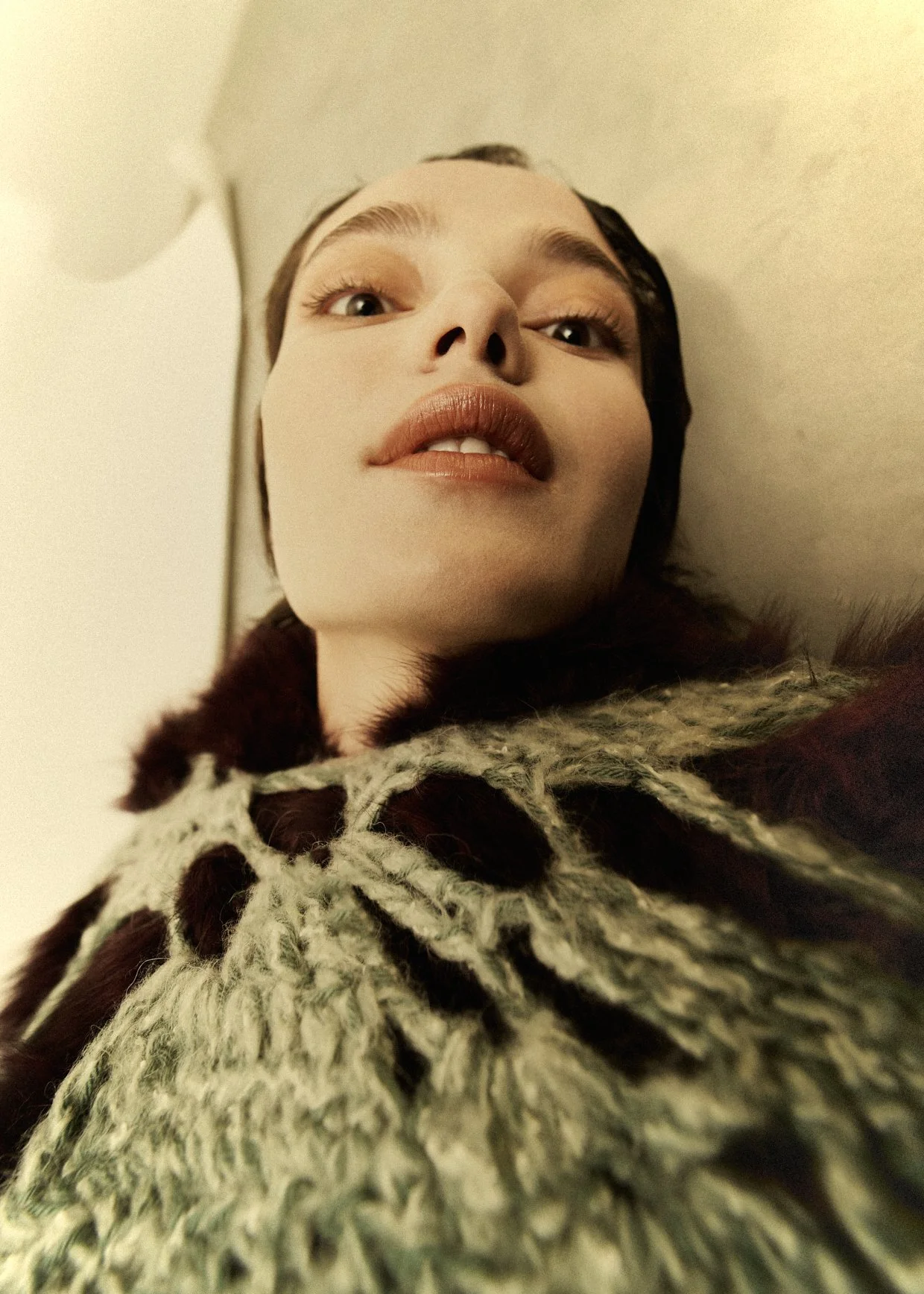
Top Skirt Shoes @candice.houtart jewelry @studiocollect
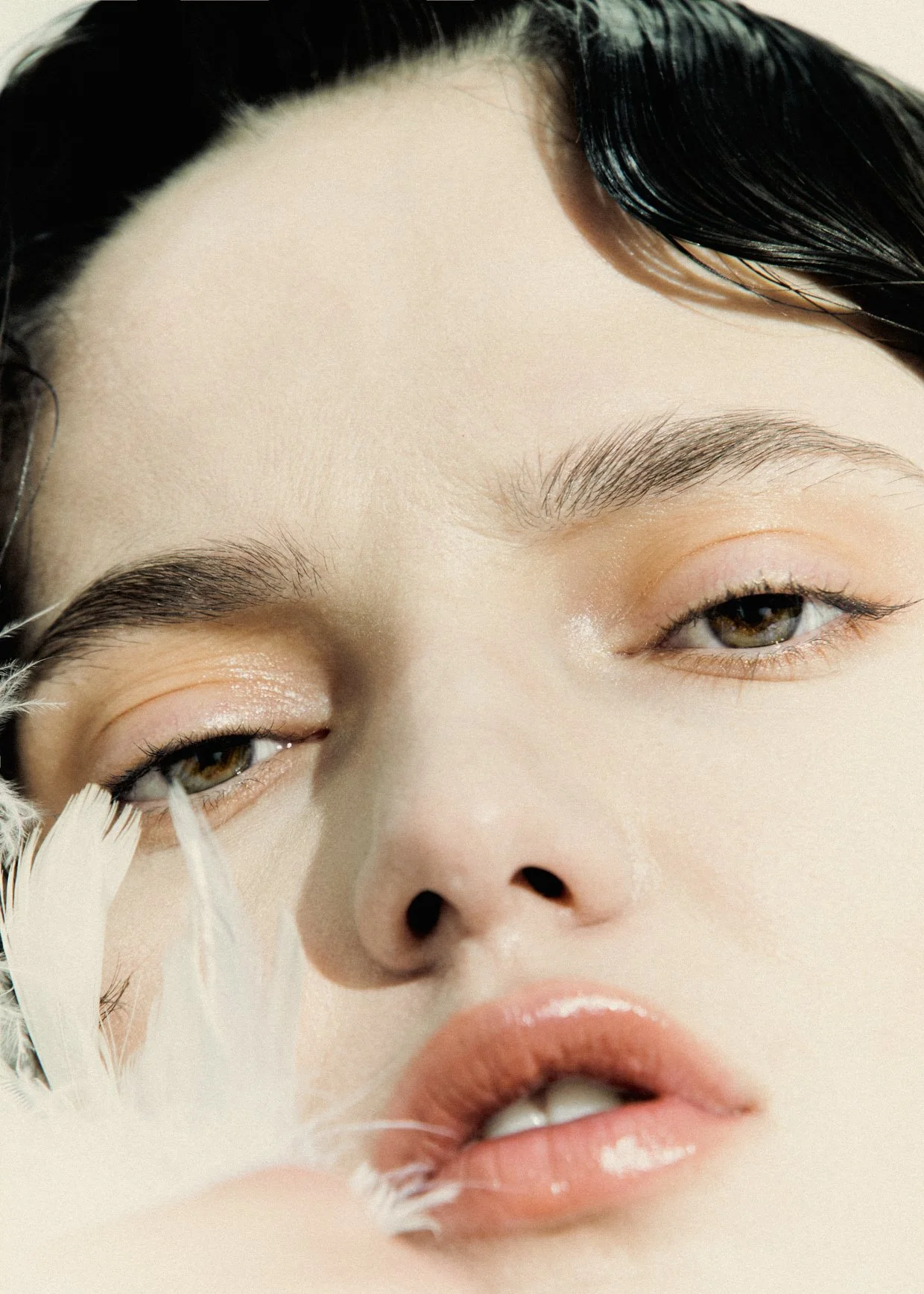
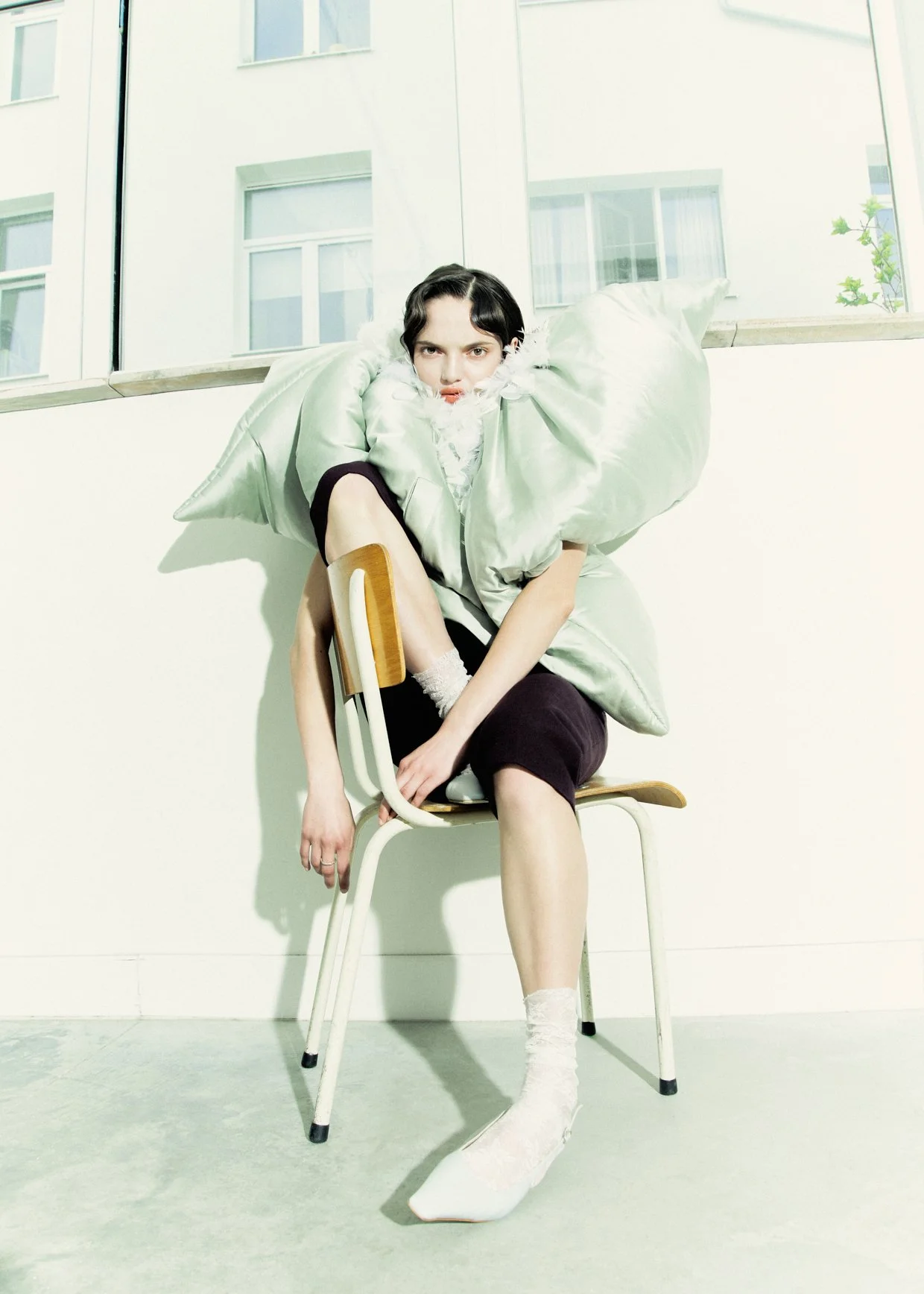
Top @candice.houtart Capri Vintage socks Eva Maria Leenaert Shoes @odare_antwerp
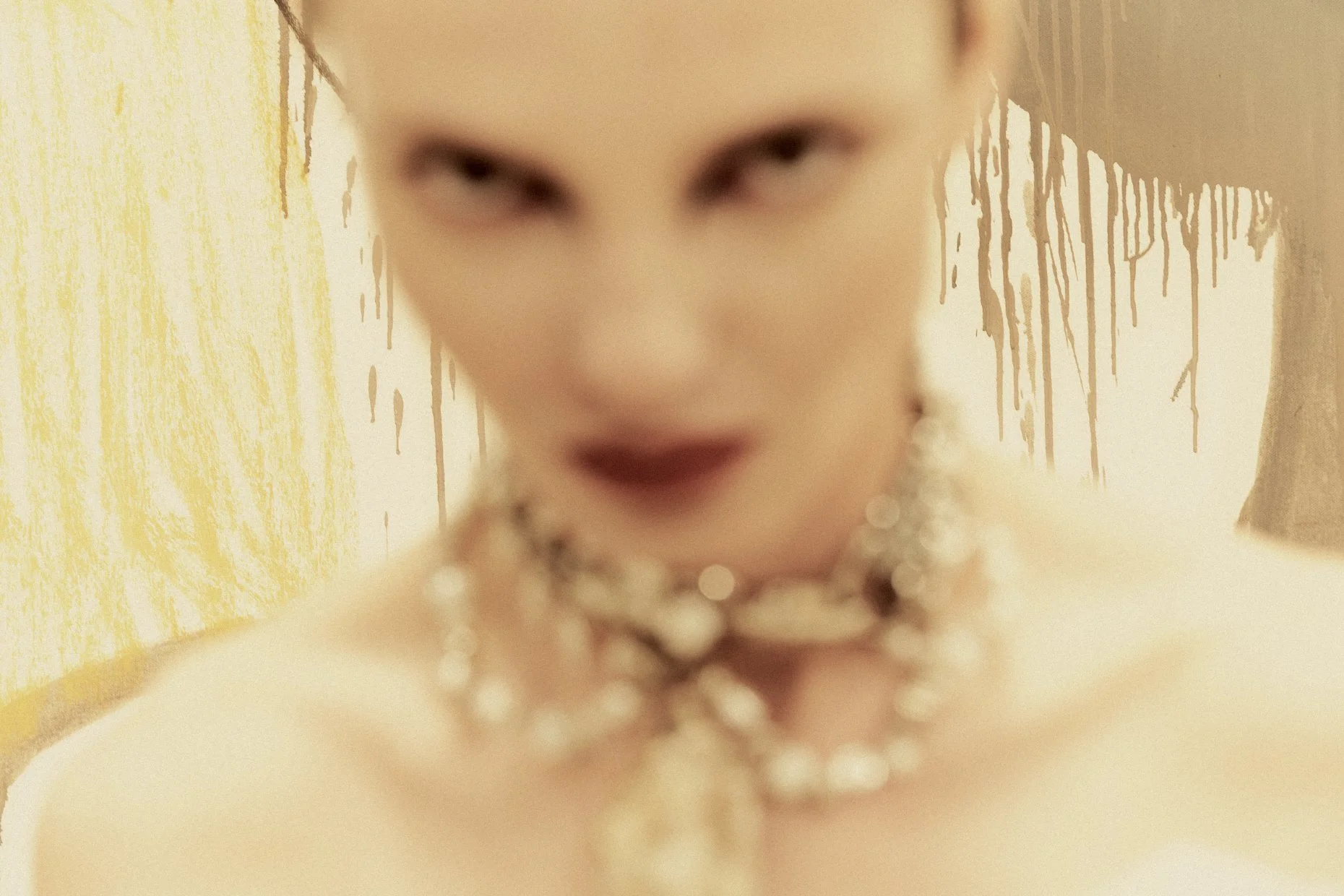
Necklace @lola_bols
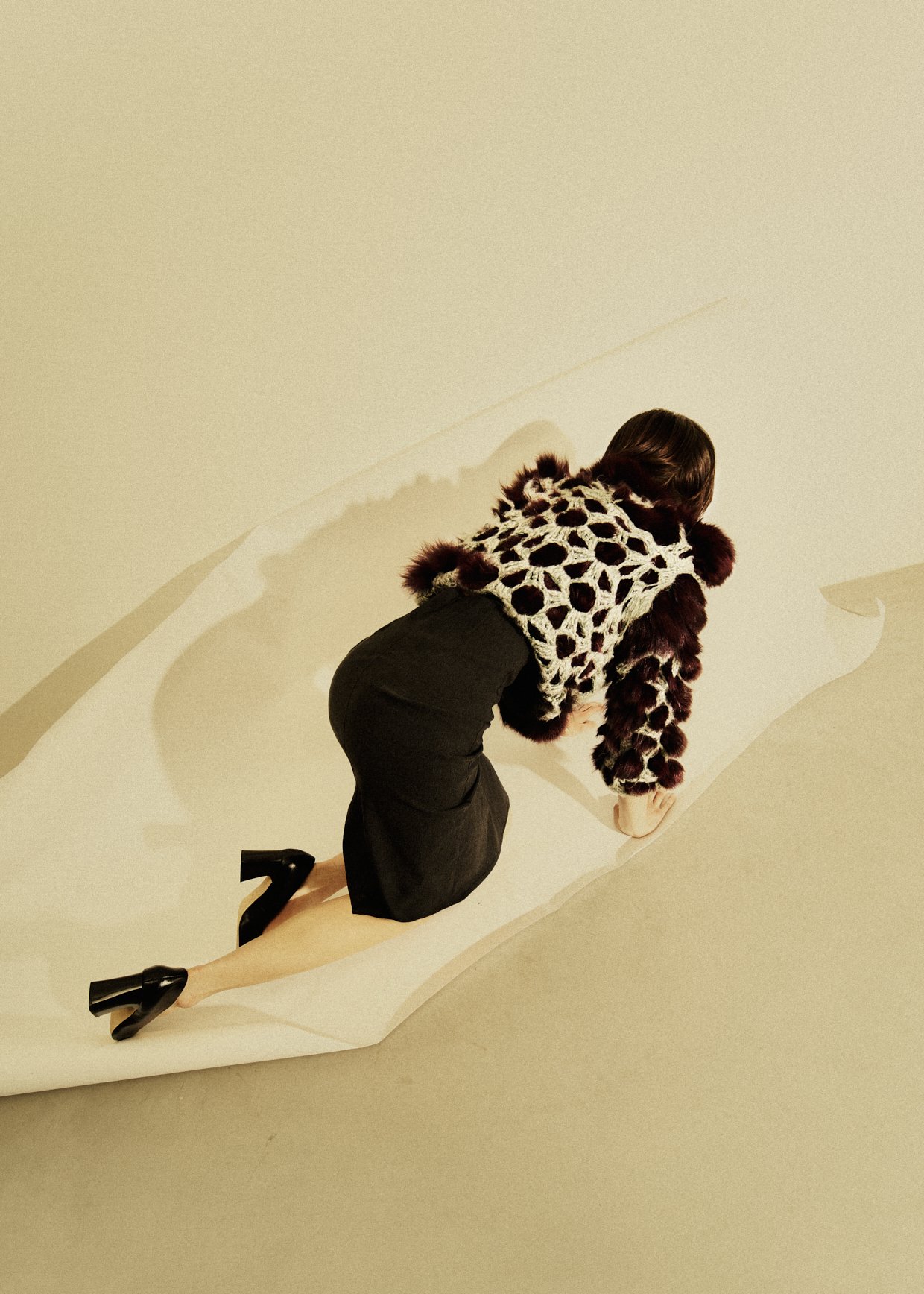
Top & skirt & shoes @candice.houtart jewelry @studiocollect
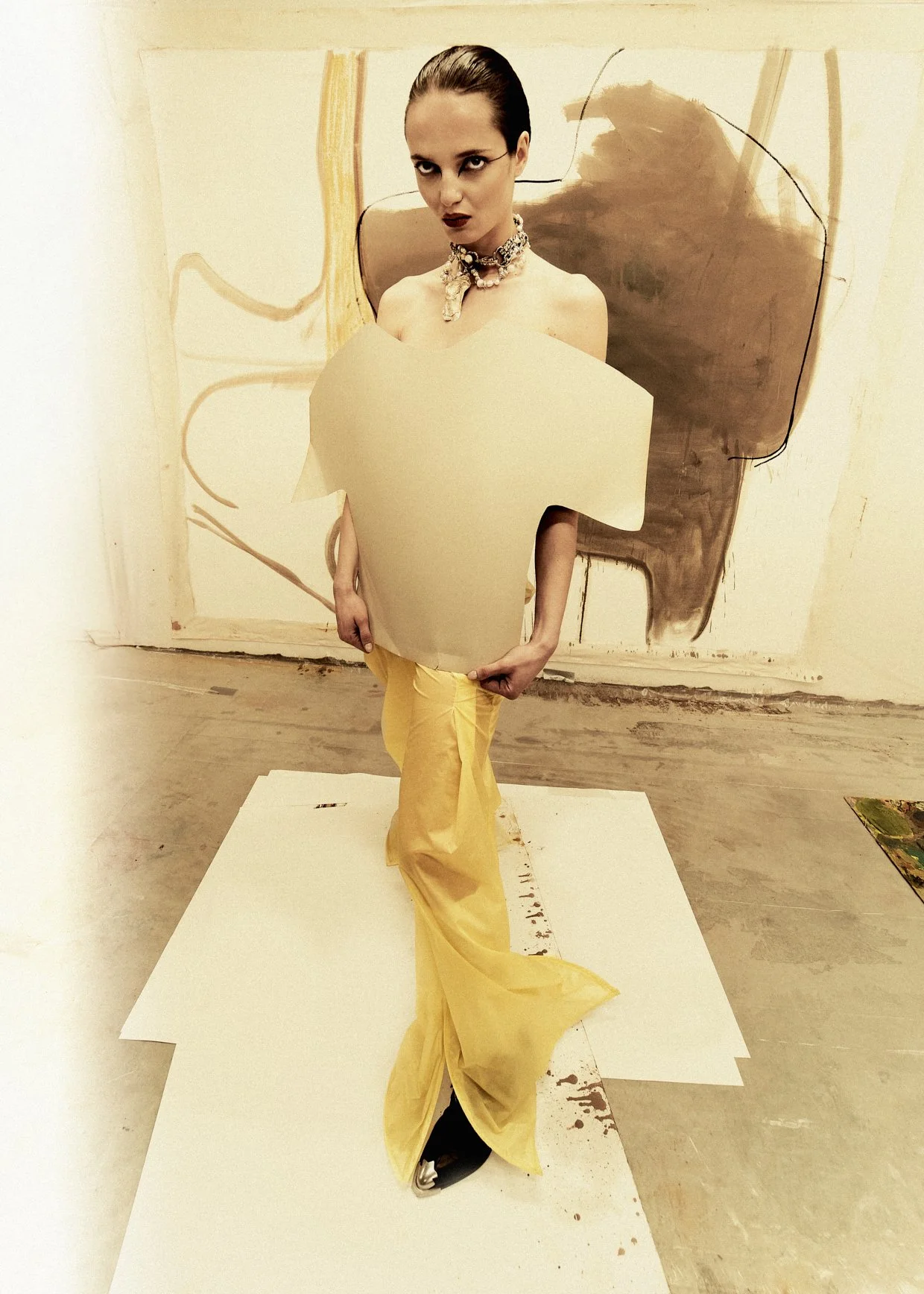
Necklace @lola_bols pants @candice.houtart Boots @aglshoes
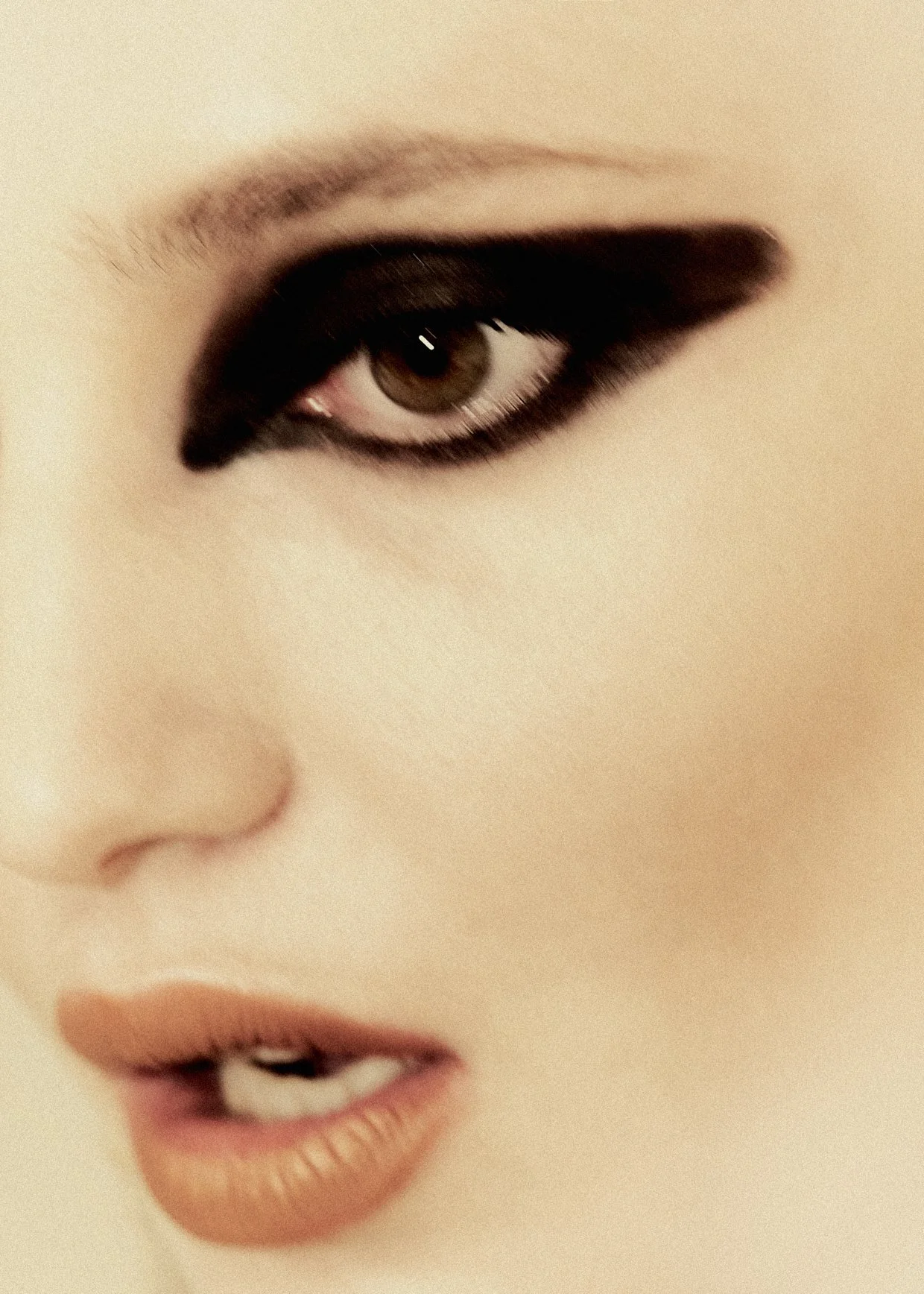
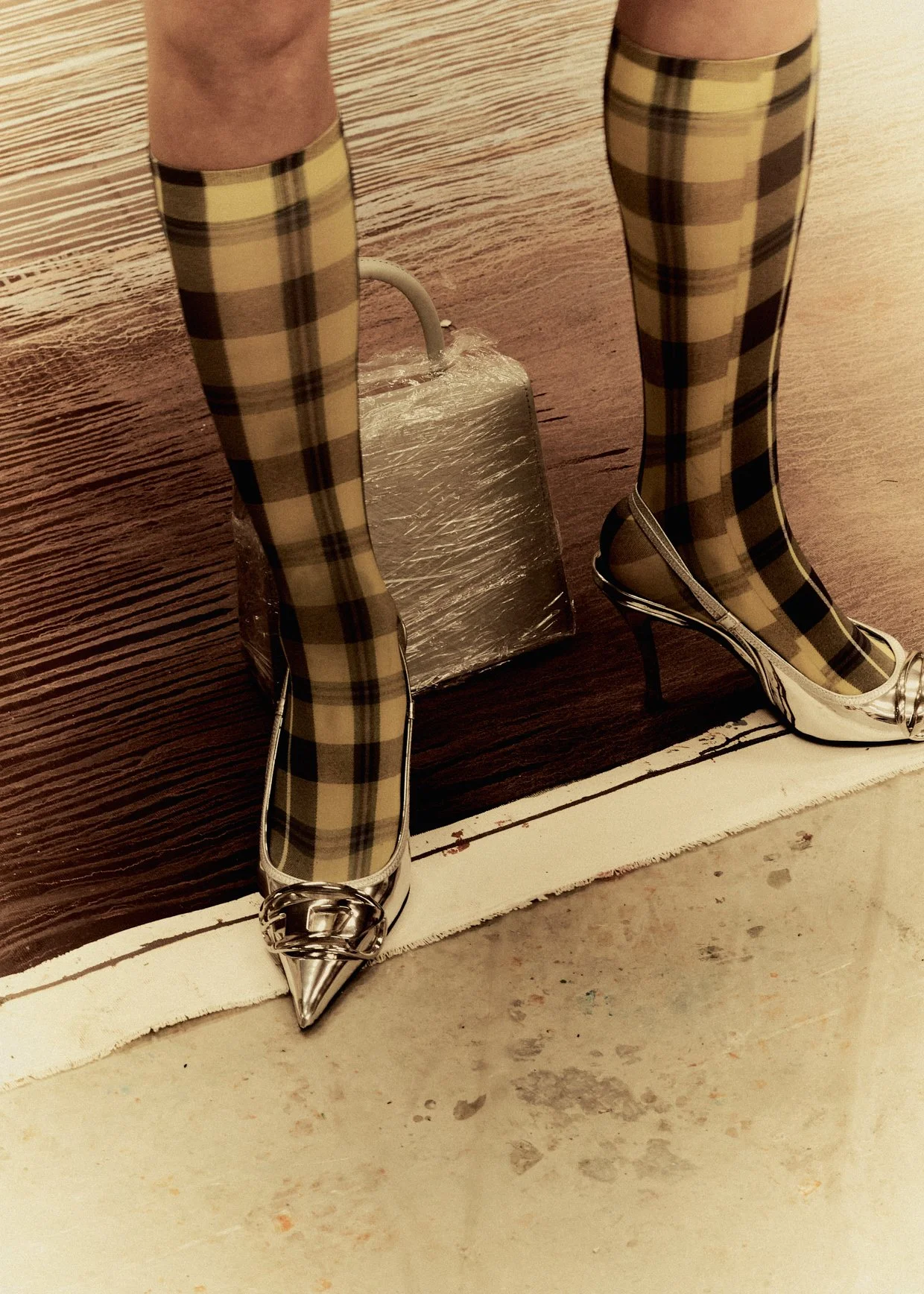
Shoes @diesel Socks @theraggedpriest handbag @liesmertens.be
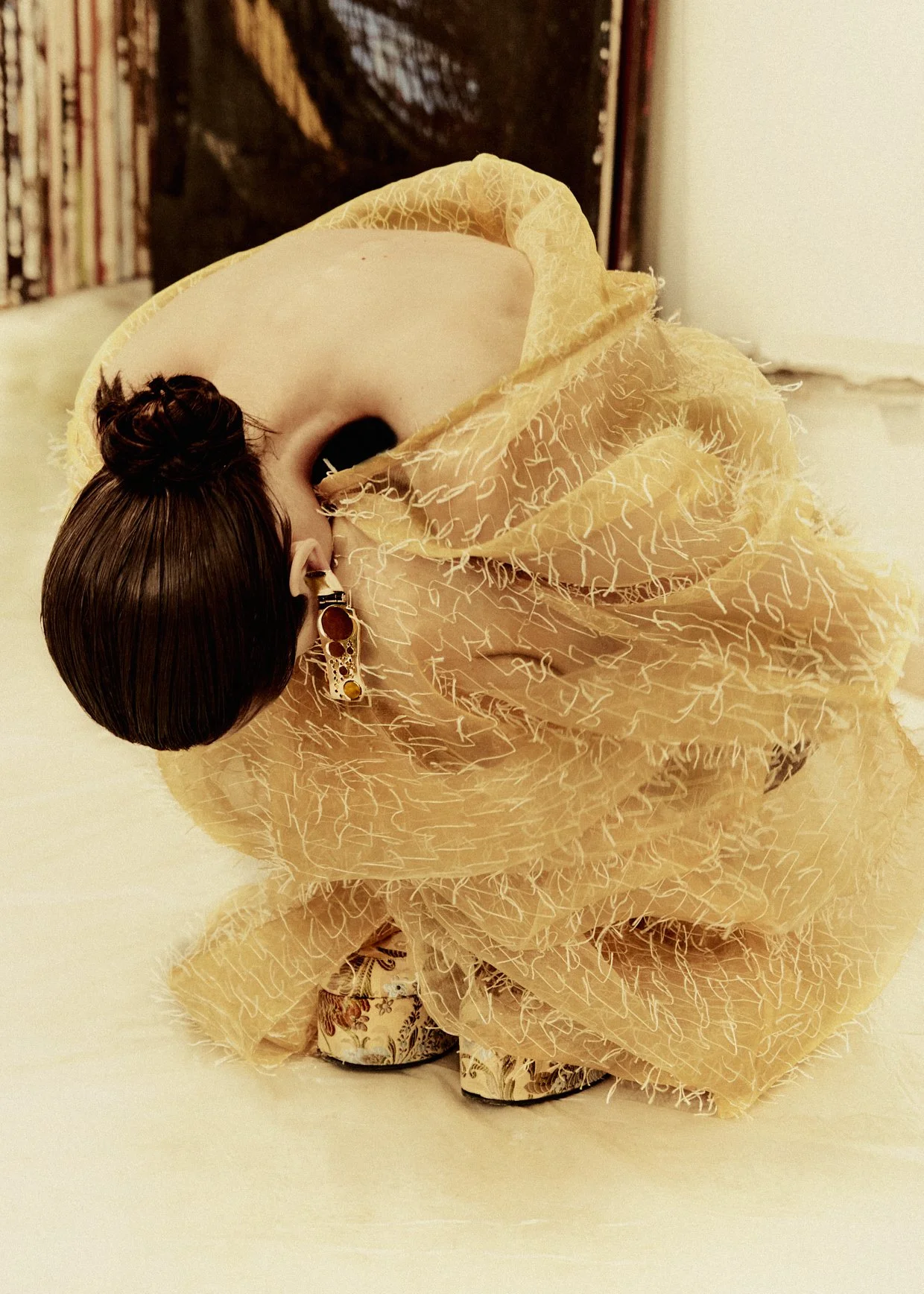
Dress Daniella Wanketa boots @driesvannoten jewel @tweek_eek
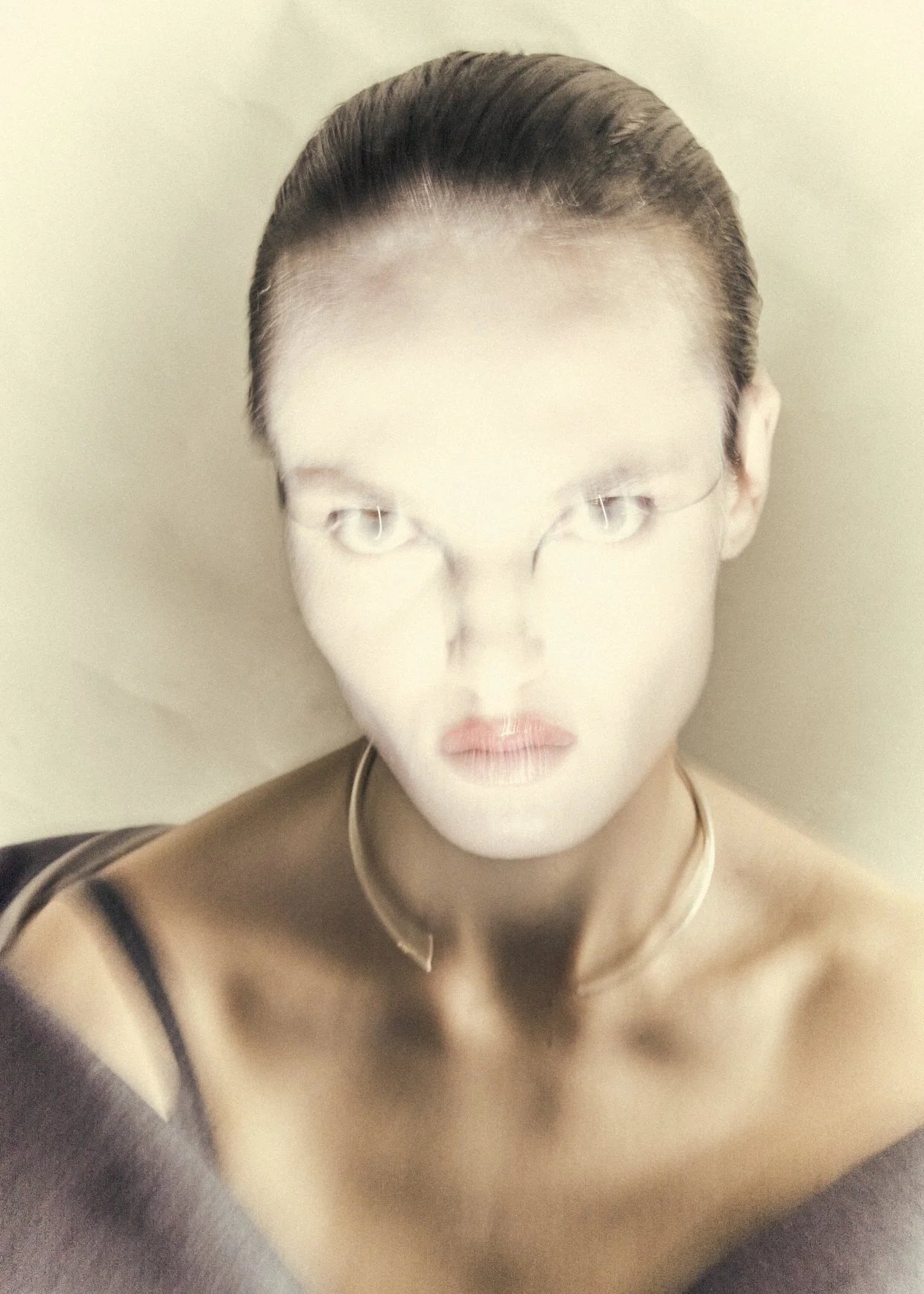
Combo @candice.houtart Necklace @woche.be
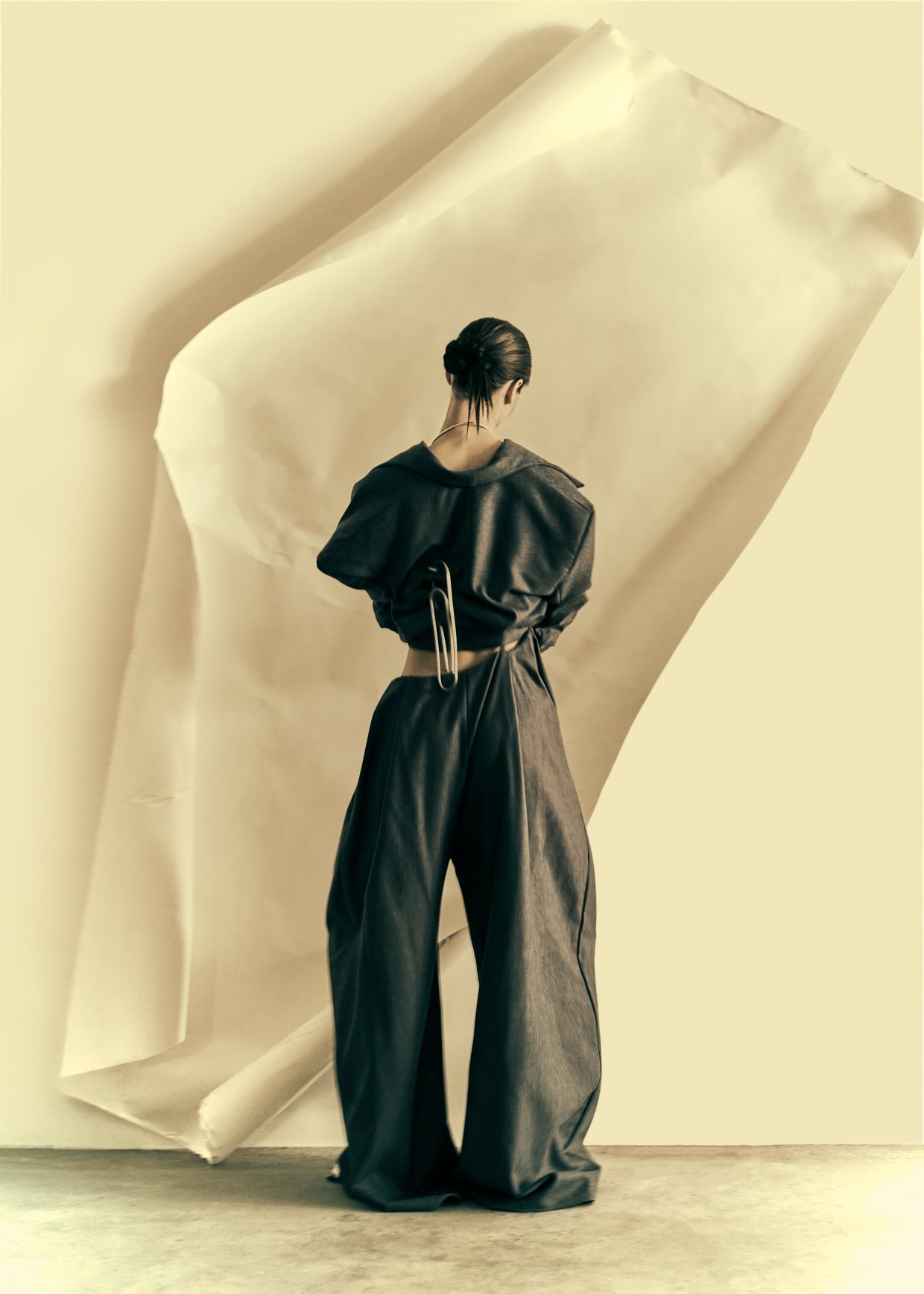
Combo @candice.houtart Necklace @woche.be socks Calzedonia shoes @odare_antwerp
‘In previous generations, engaging with art was often a deliberate act. If someone wanted to be part of the art world, they had to either create art themselves or actively cultivate a relationship with it. This meant visiting museums, attending exhibitions, subscribing to art magazines, or becoming part of artistic communities. Art appreciation required effort, time, and a certain dedication. The process was slower and often more personal; the viewer built an intimate bond with a work over repeated encounters.
Today, the landscape is entirely different. Social media platforms such as Instagram, TikTok, and Pinterest have flooded our daily lives with images. We are constantly exposed to paintings, sculptures, photography, and digital creations, often in quick, digestible formats. A single swipe can take us from Renaissance masterpieces to the latest AI-generated surrealism. Art is no longer confined to galleries or exclusive circles. It lives in our pockets, always just a tap away.
This transformation is also visible in fashion, which has always been a close relative of art. In the past, fashion trends spread slowly, often influenced by a few iconic designers or subcultures. Today, the cycle is instant. An outfit posted on social media can inspire thousands of recreations within hours. Fashion has become another visual art form consumed at high speed, yet it still relies on creativity, craftsmanship, and cultural dialogue. Just as with visual art, the constant stream of images can make it harder for truly innovative designs to stand out.
This raises a complex question: has art, including fashion, truly become more accessible, or has it in some way become more exclusive? On one hand, accessibility has undeniably increased. A teenager in a remote village can now see the works of contemporary artists in New York or Tokyo and the latest runway looks from Paris or Milan without ever leaving home. Social media allows both artists and designers to share their work directly with a global audience, bypassing traditional gatekeepers like galleries, critics, or fashion magazines.
However, this abundance also creates a paradox. The overwhelming flood of images can make it harder for any single creation, whether a painting or a couture dress, to hold our attention. Art risks becoming a fleeting commodity, consumed and forgotten within seconds. Furthermore, algorithms often determine what we see, creating invisible barriers that can limit our exposure to diversity in artistic and fashion expression. In a way, access is wide, but depth is scarce.
Ultimately, social media has both opened the gates and raised new walls. Art and fashion are everywhere, yet the challenge lies in slowing down, engaging deeply, and reclaiming the personal connection that earlier generations knew so well.’